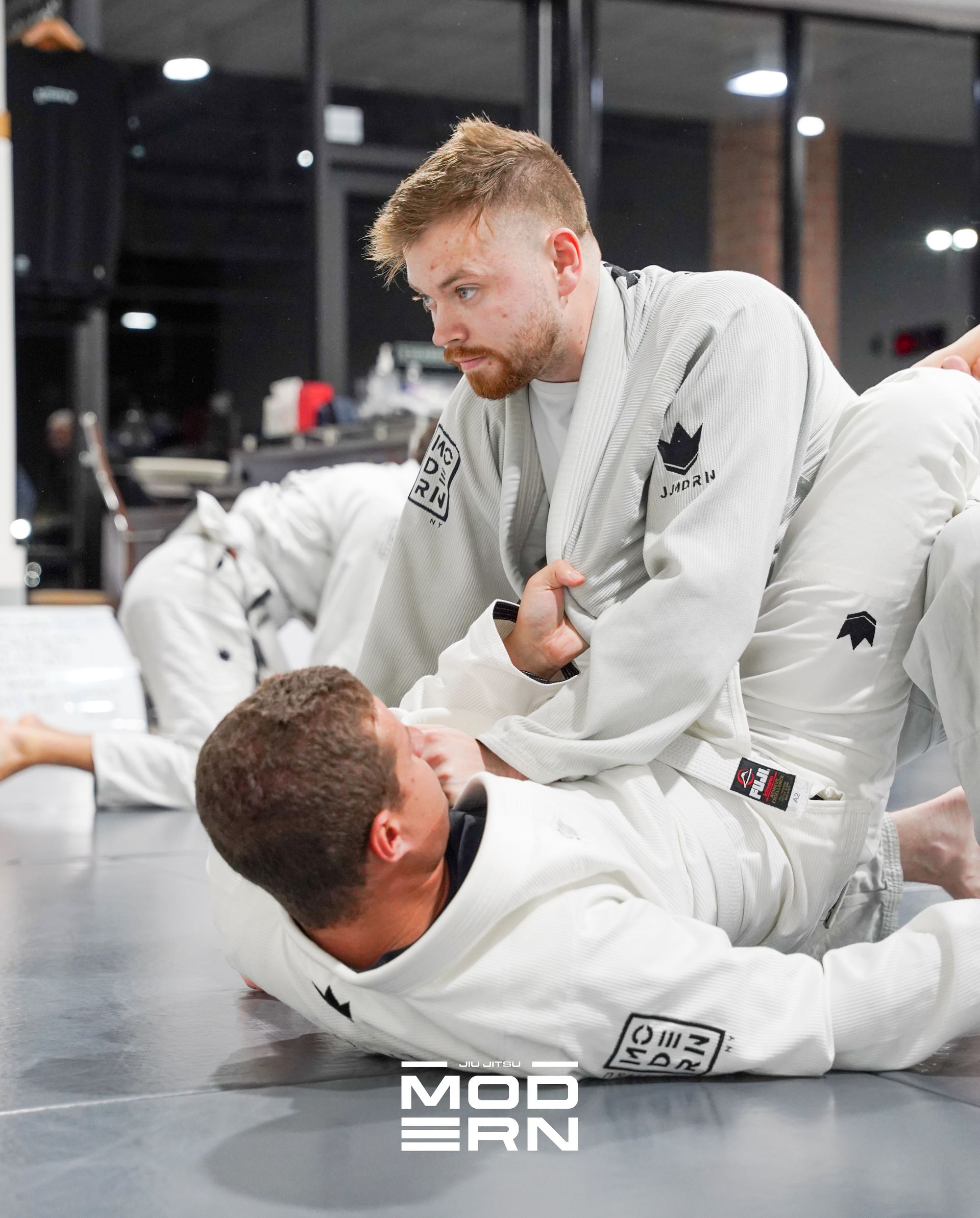
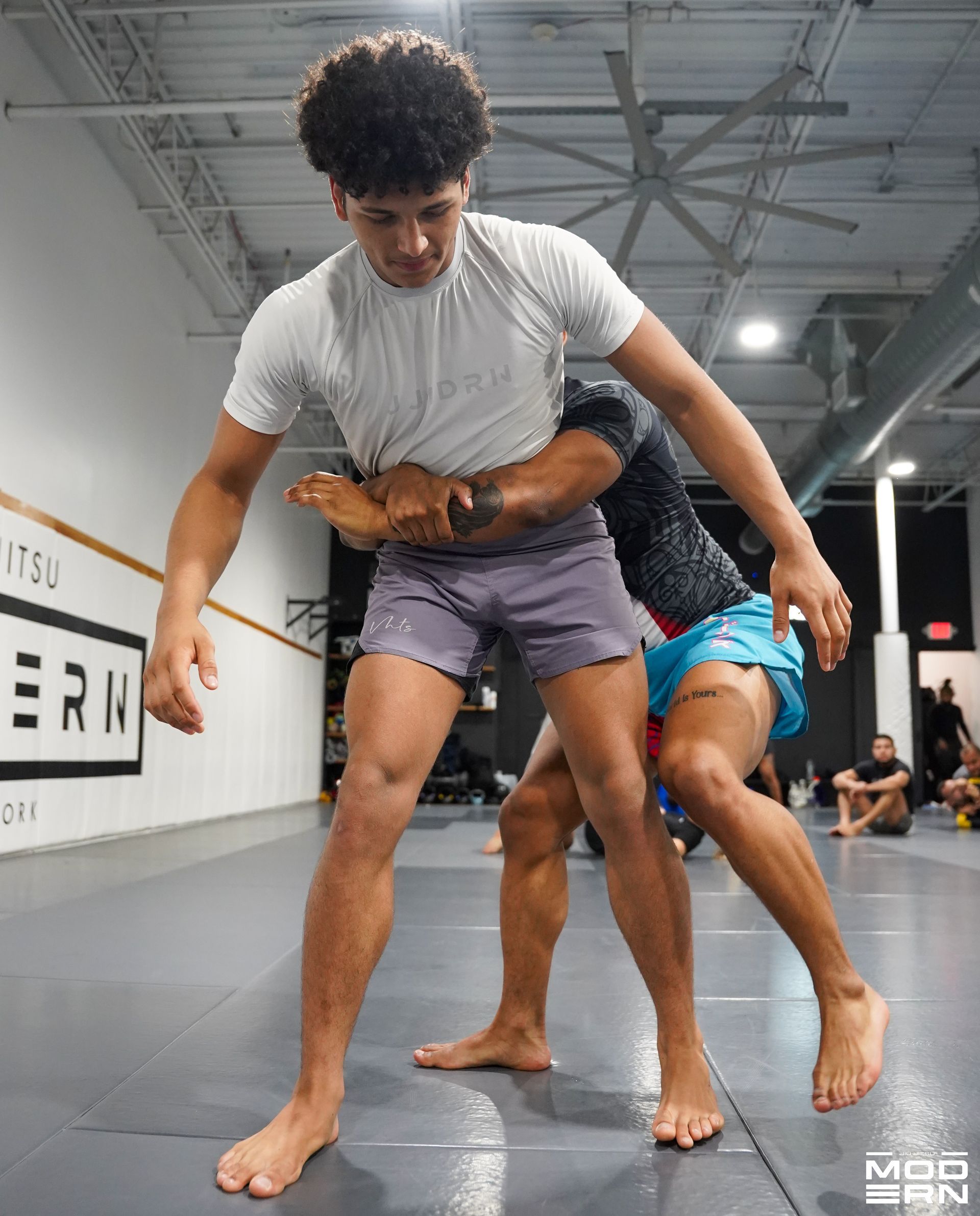
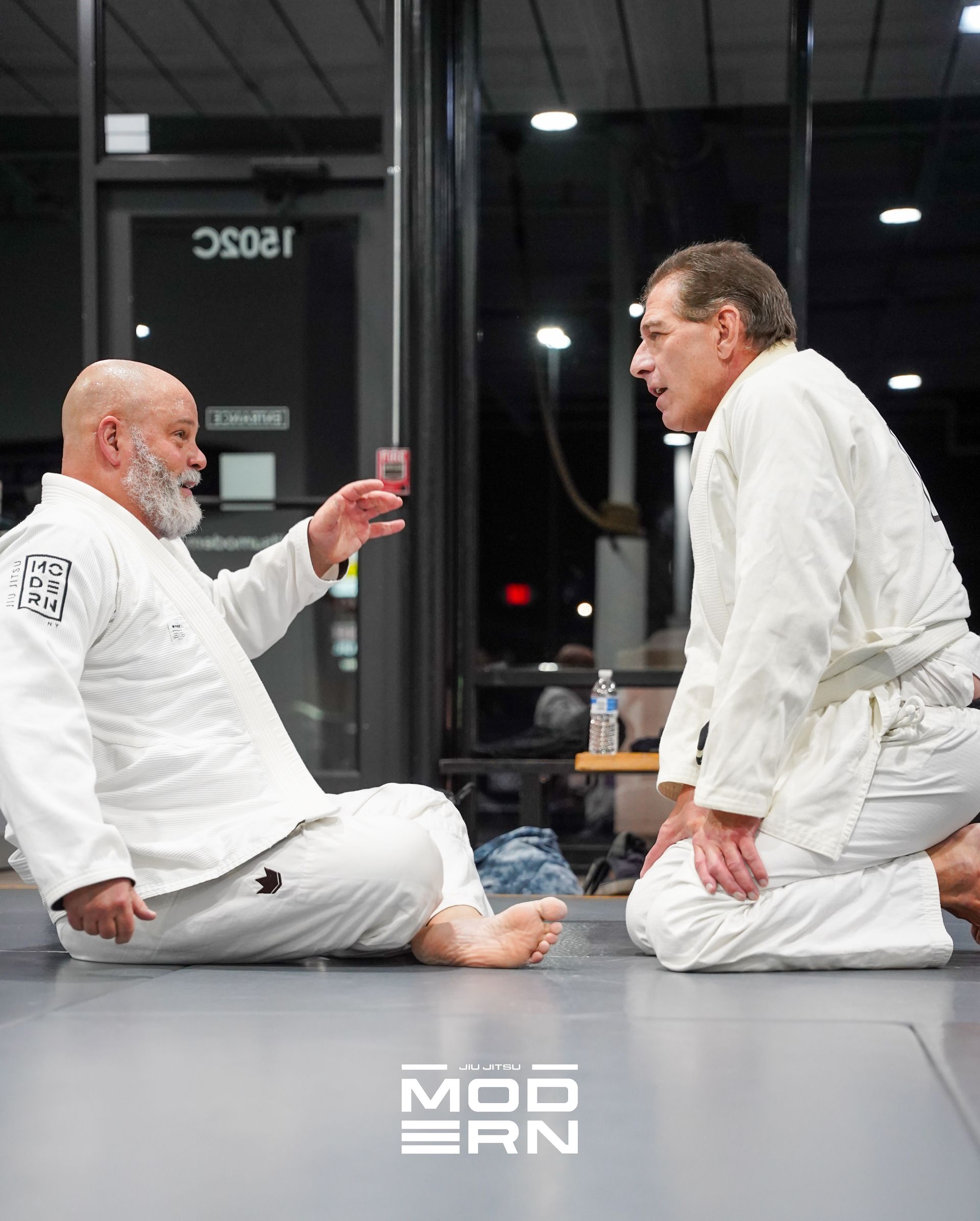
A well-run kids class does more than teach technique - it teaches your child how to stay calm, communicate, and bounce back.
Kids Brazilian Jiu-Jitsu is growing fast, and it is not just because it looks exciting online. Across the sport, participation has surged 67 percent from 2020 to 2026, reaching an estimated 8.7 million practitioners globally. When something grows that quickly, parents naturally ask the same question we hear every week: is this just another activity, or does it actually help my child in real life?
Our answer is simple. Kids Brazilian Jiu-Jitsu is one of the most practical ways to develop emotional intelligence in a child because it gives kids a safe, coached place to feel pressure and then learn what to do with it. On the mat, emotions show up quickly - frustration, nerves, excitement, even embarrassment. With the right structure, that becomes a training advantage, not a problem.
If you are searching for Brazilian Jiu-Jitsu in North Babylon, you are probably looking for more than exercise. You want confidence that looks quiet and steady, not loud. You want a program that teaches respect, focus, and self-control, and you also want to know we take safety seriously. This guide breaks down how we use kids training to build emotional intelligence step by step, and how that carries over into school, friendships, and home routines.
Why emotional intelligence matters as much as physical skill
Emotional intelligence, or EI, is your child’s ability to recognize feelings, manage reactions, and navigate social situations. It is not a personality trait kids either have or do not have. It is a skill set, and like any skill, it improves with practice and feedback.
Most environments do not teach EI directly. School may teach rules and consequences, but it often does not teach what to do in the moment when your child feels overwhelmed. Sports help, but some sports reward pushing through emotions without naming them. Our classes take a different route: we coach kids through emotional moments in real time.
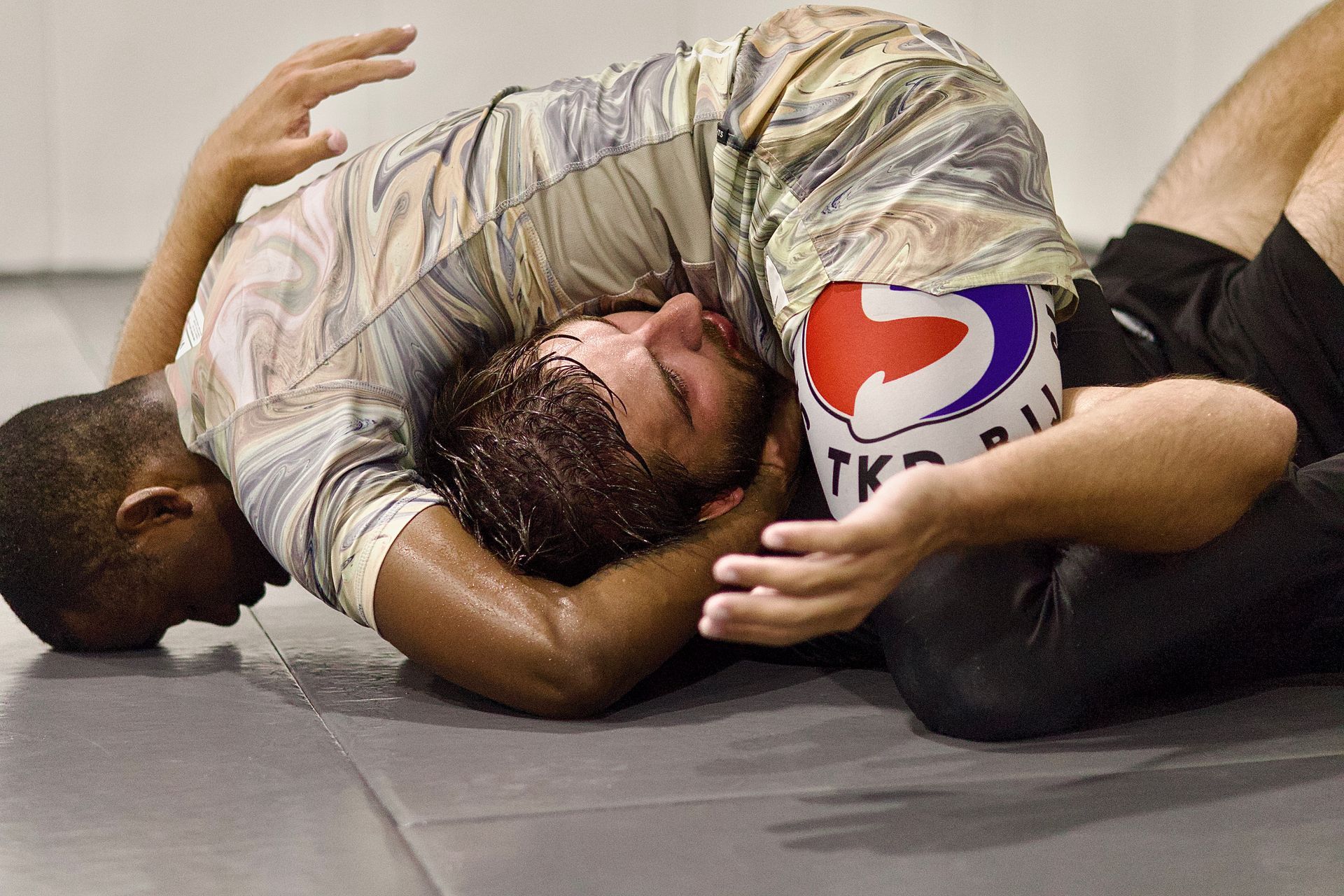
That is what makes training so useful. A child gets stuck under a partner in a controlled drill, feels that little spike of panic, and learns how to breathe, frame, and problem-solve. The body learns one lesson, and the mind learns another: pressure is information, not danger.
The unique EI training built into grappling
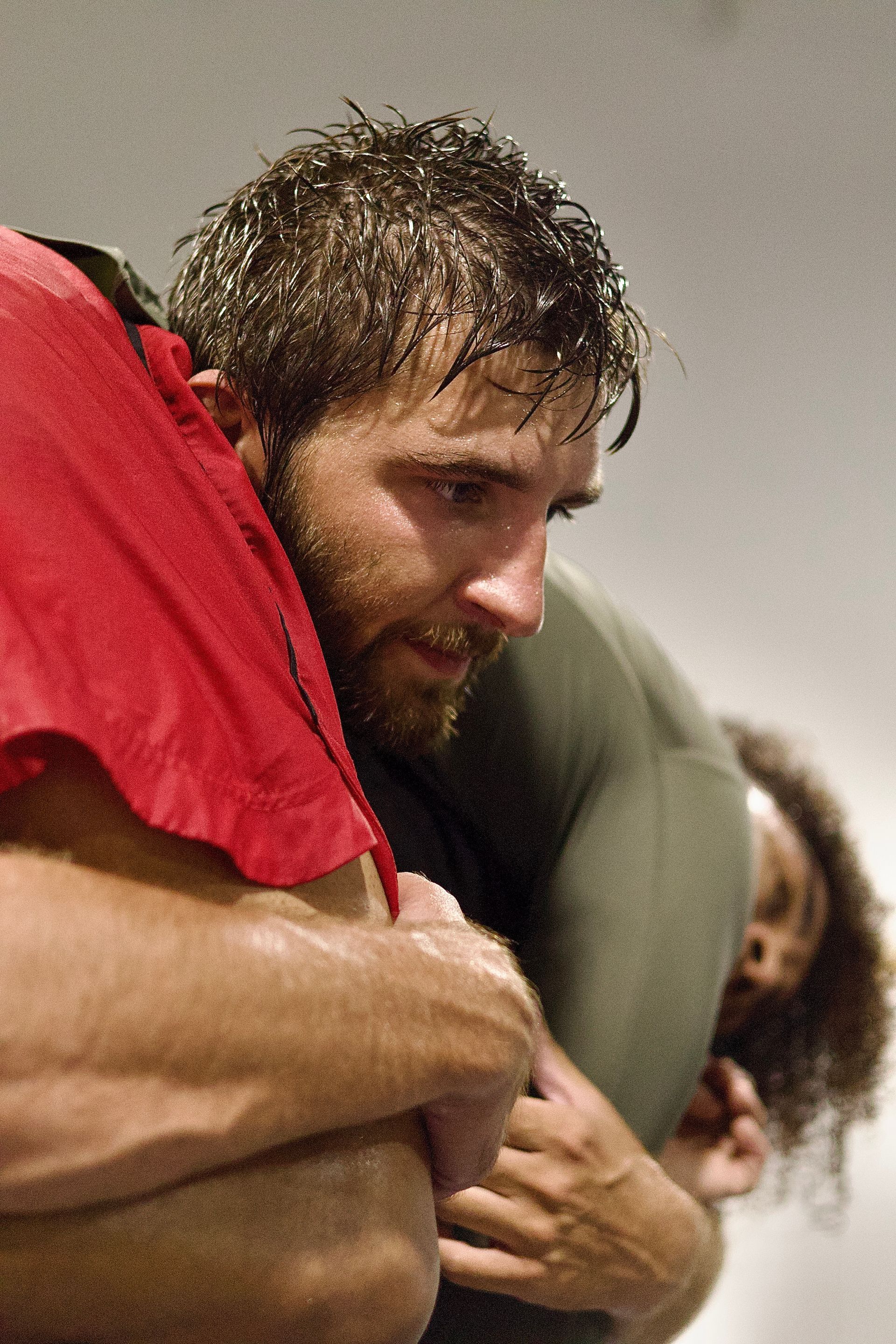
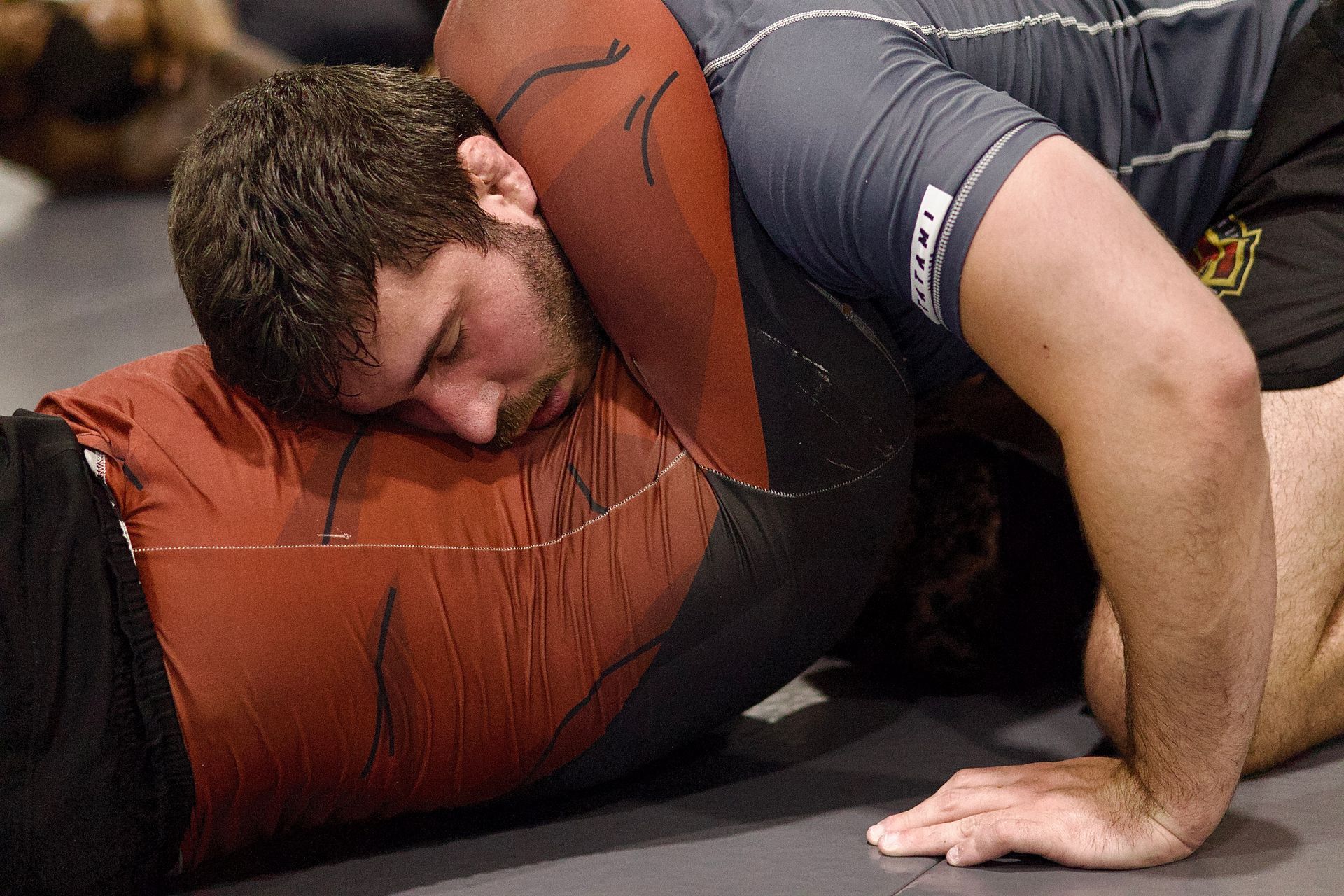
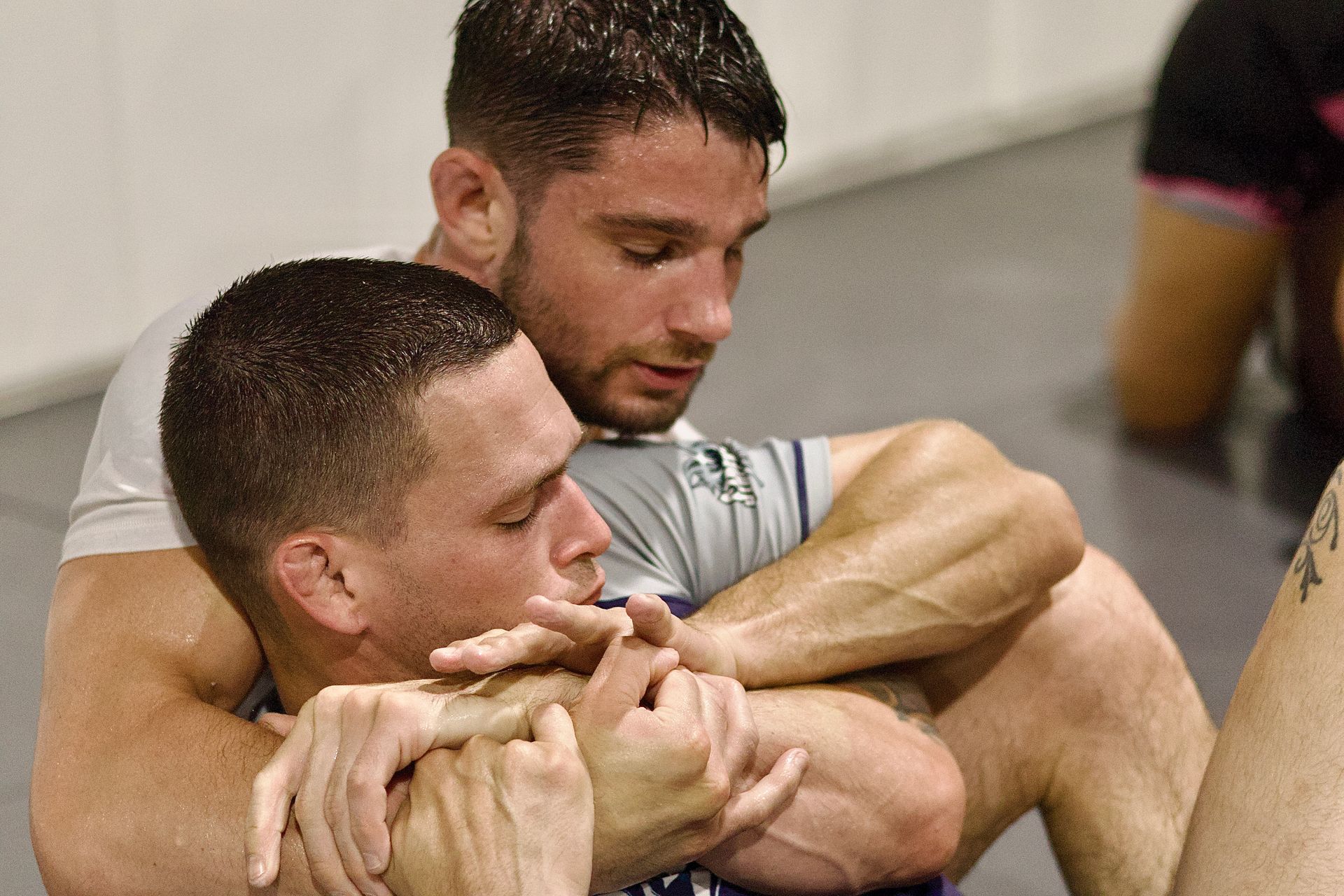
Brazilian Jiu-Jitsu is basically a conversation with movement. You and a partner exchange problems and solutions, and you have to stay respectful the whole time. That is emotional intelligence training in disguise.
In Kids Brazilian Jiu-Jitsu, we see EI develop through four repeating experiences:
• Learning to pause before reacting, especially when a technique fails
• Accepting feedback from an instructor without shutting down
• Working with many different partners and personalities
• Handling small losses in a safe space and returning to try again
That last one is a big deal. Resilience is not built by avoiding failure. It is built by learning that failure is survivable, temporary, and teachable.
Stress management you can actually see in a child
Parents often tell us the first changes show up at home, not on the mat. Kids start breathing before answering. Kids stop melting down as quickly when something feels unfair. Kids begin to separate feelings from actions, which is a mature skill for any age.
There is also research support behind this. Martial arts have been shown to significantly reduce stress and anxiety levels in children, which sits right in the center of emotional intelligence. When your child learns to regulate stress during training, that becomes a pattern they can use during tests, presentations, or tough social moments.
We build that regulation through structure. Kids know what to expect when class starts, how warmups flow into technique, and how partner drills work. Predictability helps kids feel safe, and safety is what allows learning under pressure.
Self-discipline that feels earned, not forced
Discipline is a tricky word for parents because it can sound like punishment. We treat discipline as a skill: showing up, listening, trying, and continuing even when motivation dips.
Kids Brazilian Jiu-Jitsu helps because progress is visible and honest. If your child rushes, technique falls apart. If your child stays patient, things start clicking. Kids learn that their choices affect outcomes, and that is the foundation of self-control.
We also coach boundaries clearly. Kids learn when it is time to be playful and when it is time to focus. That ability to shift gears is emotional intelligence too. It is not about being serious all the time; it is about choosing the right energy for the moment.
Social resilience: learning to work with others without losing yourself
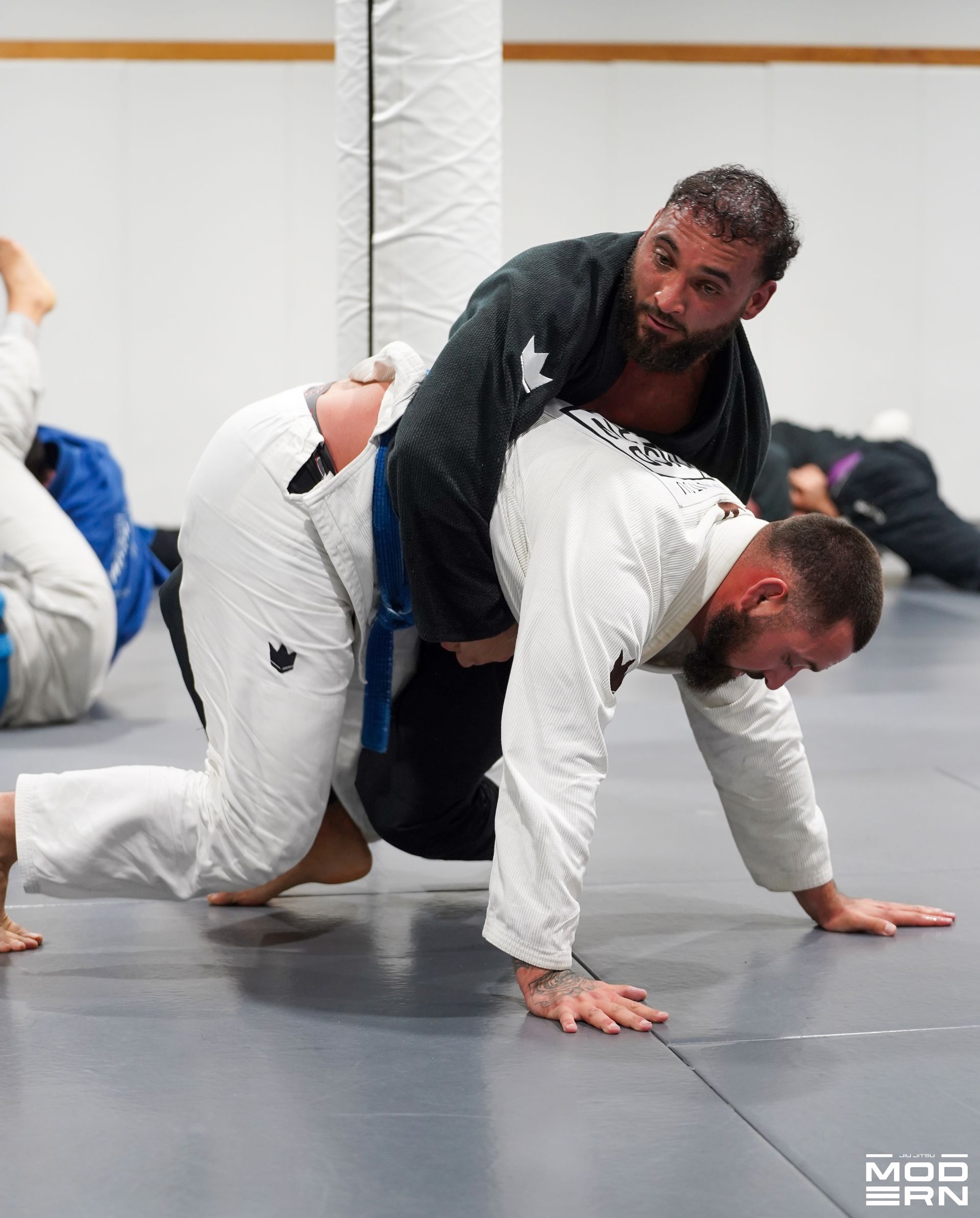
One of the most underrated benefits of Kids Brazilian Jiu-Jitsu in North Babylon is the social training built into partner work. Kids interact constantly, but in a structured way. They learn how to make eye contact, how to listen, and how to be a good teammate even in competitive drills.
We pay attention to the small social moments. A child taps and looks frustrated. We help them reset and rejoin. A child wins a round and gets a little too excited. We coach humility and respect. That is not just politeness; it is social awareness.
Over time, kids learn to handle common situations that can be tough in school:
• Getting corrected by an adult without taking it personally
• Losing a turn or a game without spiraling
• Partnering with someone new without anxiety
• Speaking up when something feels uncomfortable
• Encouraging peers without trying to control them
Those are life skills, and we see them strengthen as kids build trust in the training process.
Why kids love the challenge, even when it is hard
Kids want challenges that feel real. In class, techniques are like puzzles with immediate feedback. That is satisfying in a way that a lot of modern activities are not, because it is physical, social, and mentally engaging all at once.
We keep the environment upbeat, but we do not turn the class into chaos. The energy stays positive because kids know what the goal is: learn, improve, and treat partners well. When kids feel progress, motivation tends to follow naturally.
And yes, some days are messy. A child might come in tired, distracted, or a little moody. That is not a failure. It is actually another opportunity to practice emotional regulation with coaching, structure, and movement.
Safety first: what parents should know about injury risk
It is fair to ask about safety. Pediatric BJJ injuries have been showing up more often in emergency department reports, with an average participant age around 11.6 years and most cases involving boys. The most common diagnoses are sprains and strains at 28.3 percent and fractures at 20.1 percent, with the head, shoulder, and lower arm among the most injured body parts.
That can sound scary until you place it in context. Brazilian Jiu-Jitsu historically has fewer injuries compared to judo, MMA, taekwondo, and wrestling, and the increase in ED visits is strongly connected to increased participation volume. More kids training means more total incidents reported, even if the risk per class is controlled.
Our safety approach is built around three principles:
1. Strategic coaching that prioritizes mechanics and control
2. Low-intensity drills that build skill before speed
3. Progressive workload increases so kids adapt over time
We also teach tapping early and often. Tapping is not quitting. It is communication, and communication is safety.
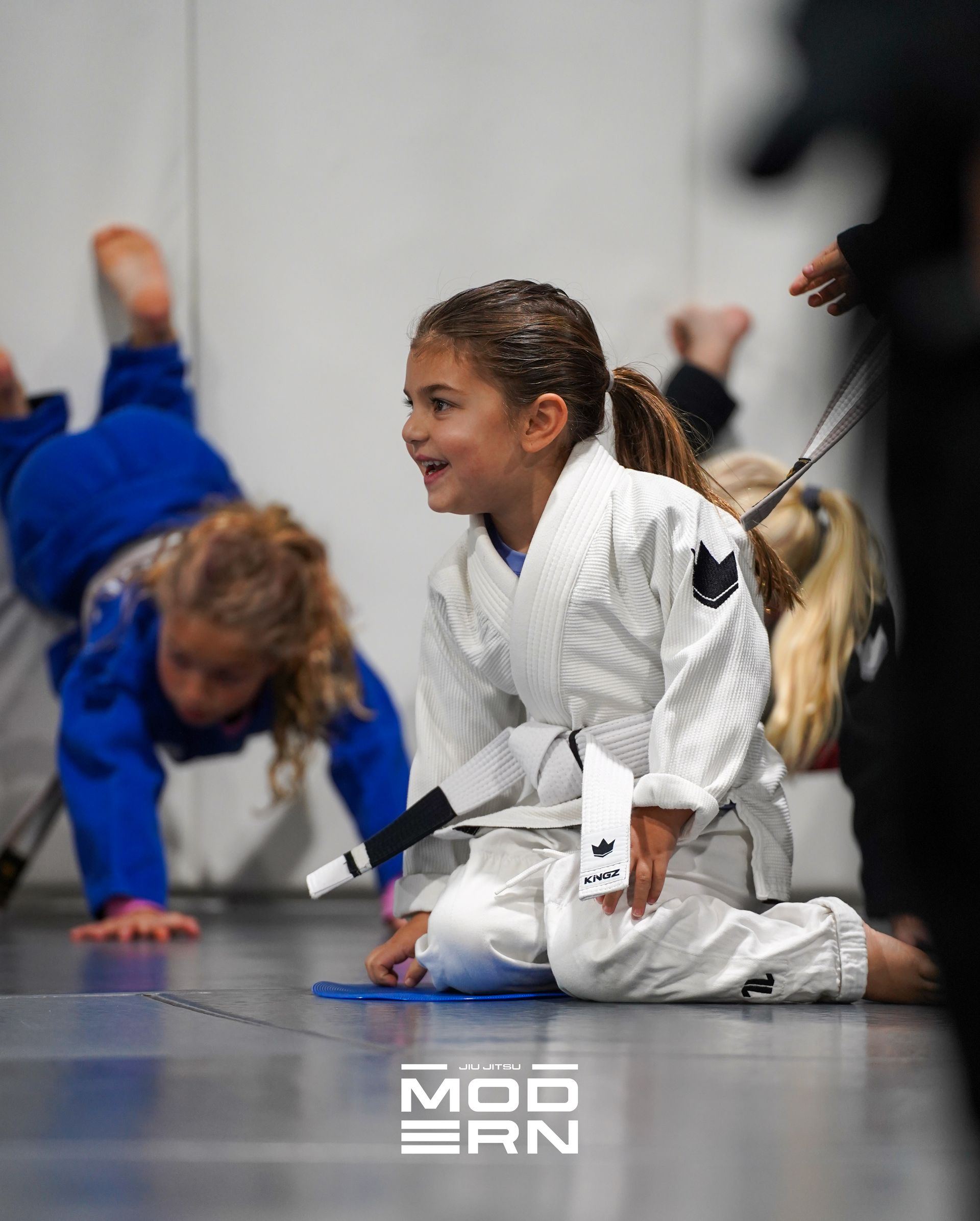
What a typical kids class looks like on our mat
Parents often want to know what actually happens during Kids Brazilian Jiu-Jitsu, especially if your child is brand new. We follow a structure that keeps kids moving while still giving enough instruction to learn correctly.
A typical class includes:
1. A warmup focused on coordination, balance, and basic movement patterns
2. Technique instruction with clear goals, usually one main theme per class
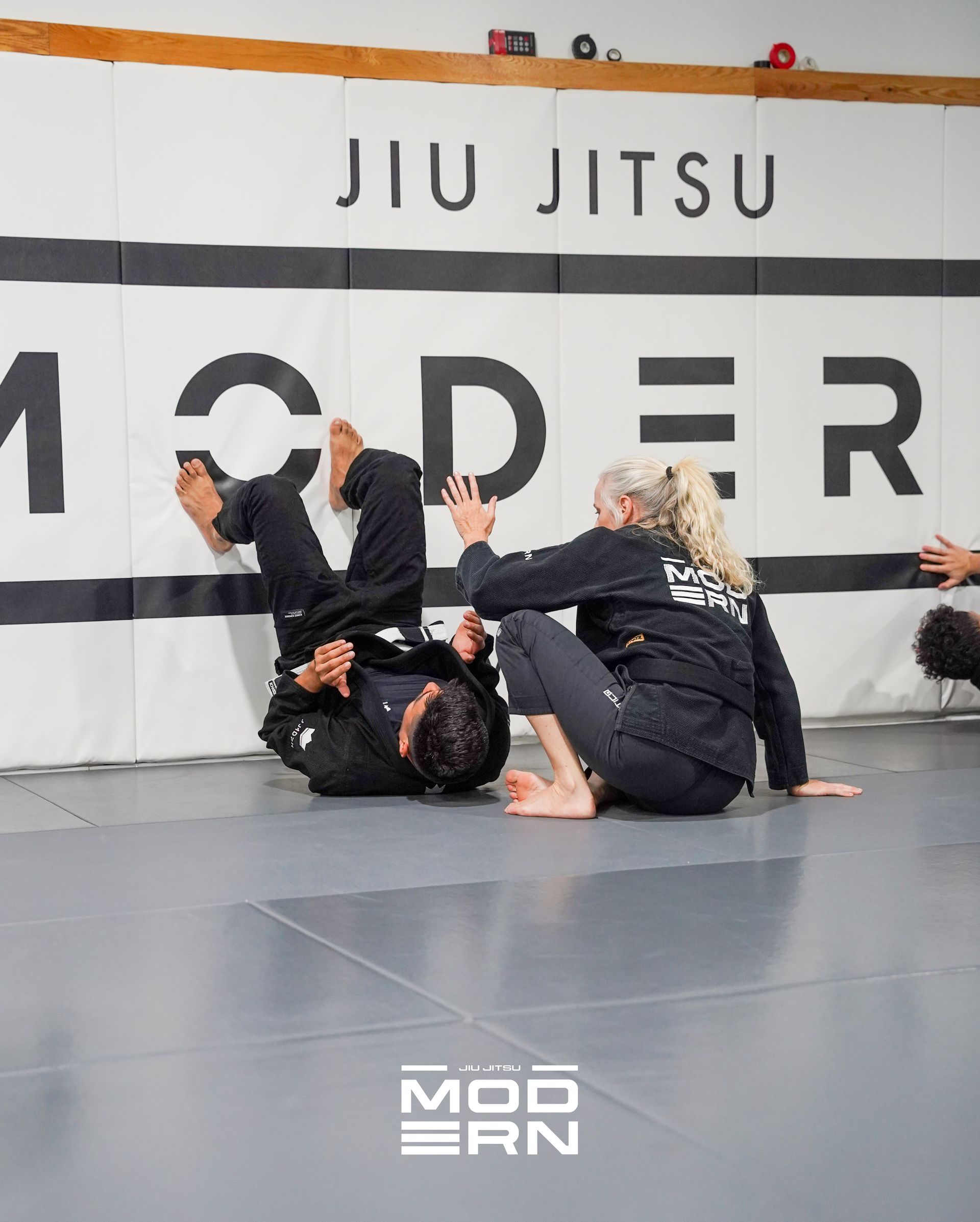
3. Partner drills with coaching, where kids repeat the technique safely
4. Controlled games or positional sparring that matches the day’s lesson
5. A quick wrap-up that reinforces respect, effort, and listening
This structure matters for emotional intelligence. Kids learn that feelings rise and fall during training, but the routine stays steady. That steadiness is calming, and it becomes a model your child can copy elsewhere.
Starting age, uniforms, and what to bring
Many kids can start around age 4 depending on attention span and comfort with group activities. The average age in pediatric participation data is 11.6 years, but younger kids absolutely benefit when classes are designed for them.
For uniforms, a gi is traditionally part of Brazilian Jiu-Jitsu, but you do not always need it on day one. For intro classes, starting in comfortable athletic clothes is often fine, and we can guide you on what is required for consistent training, promotions, or competition goals.
A few practical tips help your child feel ready:
• Bring a water bottle and arrive a little early so your child can settle in
• Keep fingernails and toenails trimmed to reduce scratches
• Tie long hair back securely
• Let us know about any injuries or concerns before class starts
Small preparation steps reduce anxiety, and that sets the stage for a better first experience.
Why this matters specifically for families in North Babylon
North Babylon families often look for activities that are structured, screen-free, and genuinely developmental. Kids need movement, but they also need coaching in how to handle frustration, confidence, and social pressure. That is the emotional intelligence gap many parents notice, and it is exactly where Kids Brazilian Jiu-Jitsu shines.
Training also offers something modern life rarely does: safe discomfort. Your child learns that being uncomfortable does not mean being unsafe. That lesson can change how a child approaches new teachers, new friend groups, and new responsibilities.
If you have been looking for Brazilian Jiu-Jitsu in North Babylon that prioritizes both character and skill, our approach is designed to meet that need with a clear curriculum and a safety-first mindset.
Take the Next Step
If your goal is confidence and emotional regulation, Kids Brazilian Jiu-Jitsu gives your child a real practice space for both. When we teach kids to breathe under pressure, communicate clearly, and reset after setbacks, you see those skills show up far beyond the mat.
At Jiu-Jitsu Modern, we built Kids Brazilian Jiu-Jitsu in North Babylon around progressions that keep training safe, structured, and genuinely engaging for kids, so you can feel good about what your child is learning and how your child is learning it.
Improve your fitness, confidence, and self-defense skills by joining a Brazilian Jiu-Jitsu class at Jiu-Jitsu Modern.