You can make faster progress in jiu-jitsu without living on the mats, if you train with a plan instead of just showing up tired.
Adult Brazilian Jiu-Jitsu is growing fast, and we see the reason every week in North Babylon: adults want something that builds real skill, real fitness, and real confidence, without needing to be a full-time athlete. Participation keeps climbing year over year, and the adult segment is the biggest driver because it fits goals like self-defense, stress relief, and competition if you want it.
But here’s the honest part. Most adults do not stall because they lack toughness. Progress slows when training is random: too much sparring with no focus, too many techniques with no retention, or lifting and cardio that do not match what your body actually needs for grappling.
In this guide, we’ll walk you through how we help you fast-track Adult Brazilian Jiu-Jitsu progress in a way that fits suburban schedules, protects your joints, and keeps your learning curve moving in the right direction.
What “fast progress” actually looks like for adult training
Fast progress in Adult Brazilian Jiu-Jitsu is not memorizing a hundred moves. It’s improving a few core outcomes quickly and reliably, then stacking skills on top of that. When you train as an adult, your time is the limiting factor, so we measure progress by what you can do under realistic resistance.
We look for markers like these: you can hold posture when someone tries to break you down, you can escape bad positions without panicking, and you can finish a small set of submissions with control. If you compete, we also want you to understand scoring and tempo, not just technique.
A helpful mindset shift in 2025 to 2026 is treating jiu-jitsu as a lifetime activity. That does not mean “slow.” It means sustainable. When your shoulders, elbows, and neck feel good, you train more often, and the results show up faster.
The North Babylon advantage: progress that fits real schedules
North Babylon life is busy in a specific way. Work commutes, family calendars, and weekend obligations can chop up your week. The good news is that Adult Brazilian Jiu-Jitsu responds really well to consistency, even if that consistency is three focused sessions instead of six scattered ones.
We build training around what adults actually stick with: a repeatable weekly rhythm and clear “what to work on” priorities. You do not need perfect attendance to improve, but you do need a plan you can repeat for months.
Another local reality is access. Suburban areas can have fewer certified coaches per square mile than big cities, so the quality of instruction matters a lot. We make our coaching standards and progression clear, because you should always know what you’re building and why.
Start with a small, high-impact game instead of chasing everything
One of the quickest ways to level up in Adult Brazilian Jiu-Jitsu is to choose a simple game and deepen it. We would rather have you become dangerous with a handful of positions than average everywhere.
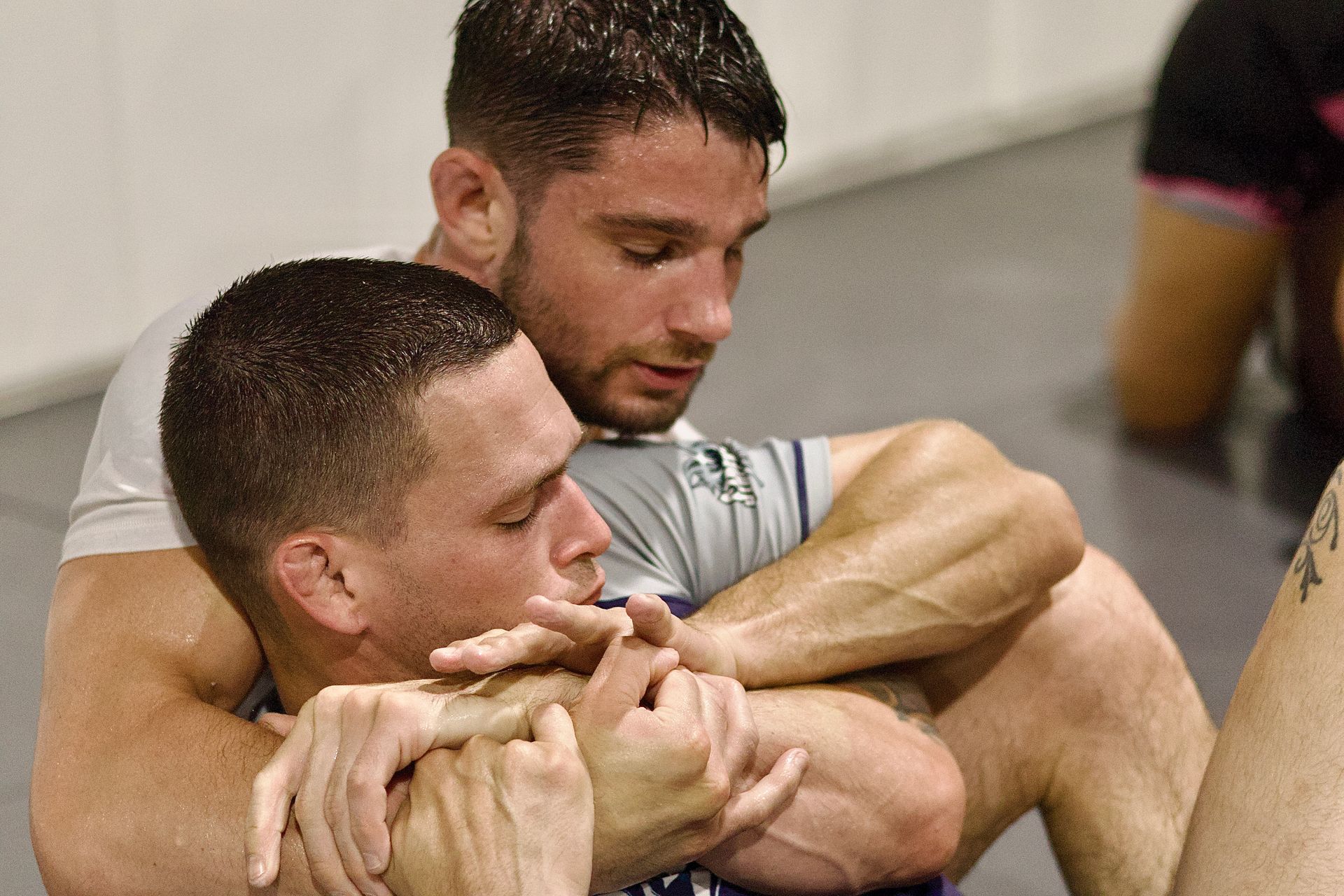
A practical early focus looks like: one guard you can return to, one pass you understand, one escape route from bottom, and one or two submissions you can finish safely. Over time, we add branches, but the trunk stays strong.
This approach also makes class more enjoyable. When you roll, you’re not guessing. You’re experimenting with something specific, noticing what breaks, and fixing it next round. That feedback loop is where fast progress lives.
BJJ-specific conditioning: train your engine for grappling, not just fitness
General fitness helps, but BJJ-specific conditioning helps more, faster. Grappling is weird on the body in the best way: you need grip endurance, hip connection, strong posture under load, and the ability to keep thinking when you’re tired.
We like conditioning that fuses strength work with sport-relevant movement. That might mean positional drills with timed intervals, carries and pulls that build posture strength, and core work that supports rotation and bracing. The goal is not to look like you train. The goal is to roll better in the last minute of the round.
We also pay attention to energy systems. Random hard sprints can leave you sore and flat for the next class. Instead, we often recommend a base of Zone 2 aerobic training, like incline walking, easy bike work, or steady rowing. It sounds almost too simple, but it builds the kind of endurance that lets you learn, not just survive.
Mobility is not optional if you want speed without setbacks
Most adult beginners worry about injuries, and that’s reasonable. Brazilian Jiu-Jitsu in North Babylon is physically demanding, and common injuries in grappling often involve the head, shoulder, and lower arm, usually from contact with the mat or another person.
The fastest way to stay on track is to treat mobility as daily hygiene. We’re big on Controlled Articular Rotations and Functional Range Conditioning concepts because they build usable joint control, not just loose stretching. When your shoulders can rotate smoothly and your hips can open and close under tension, you move better and tap later, which buys you learning time.
If you want a simple starting point, we recommend short, consistent sessions. Ten minutes done daily beats a one-hour stretch session you never repeat. Your future self will thank you, especially after long workdays.
No-Gi and the modern pace: why it can accelerate learning
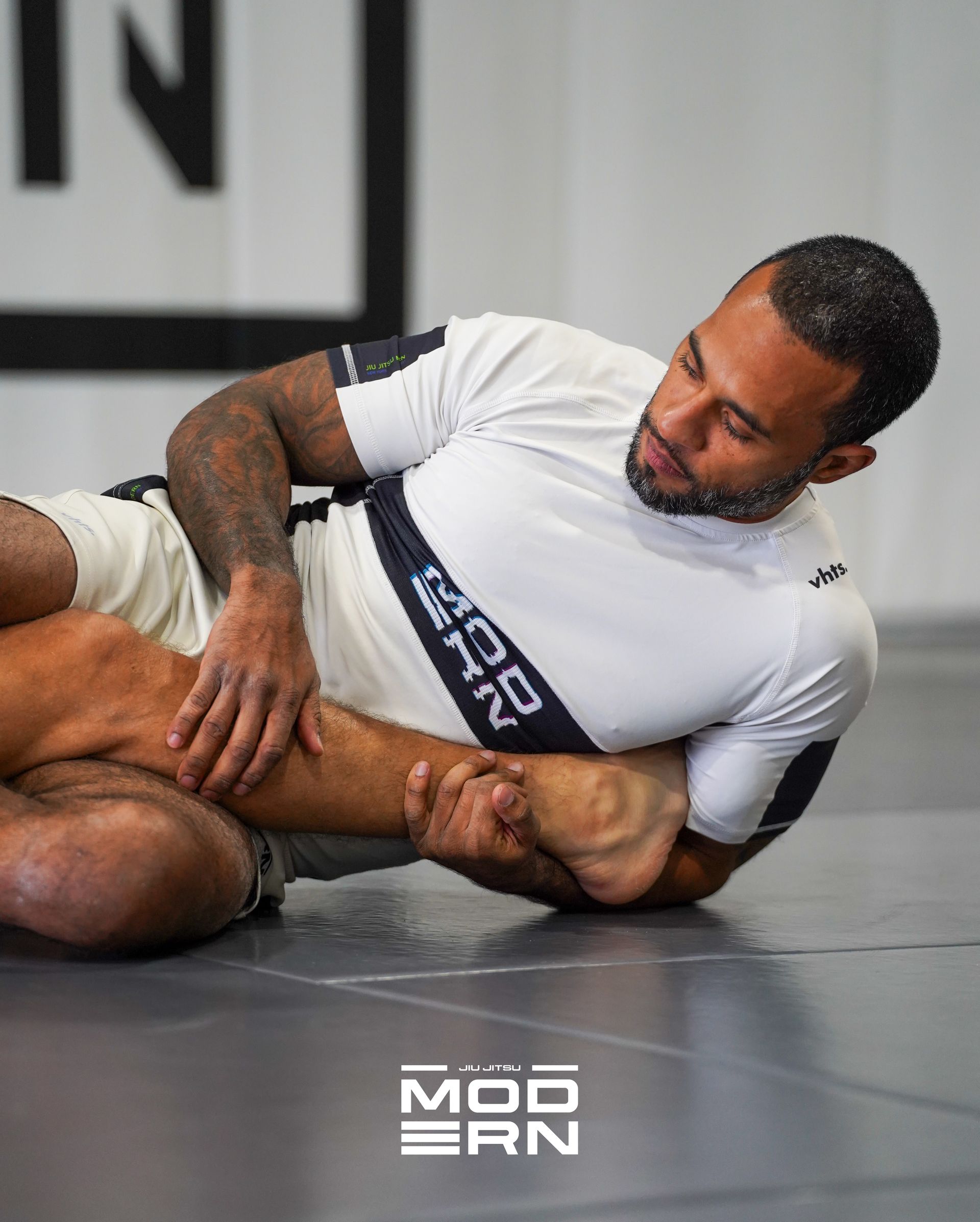
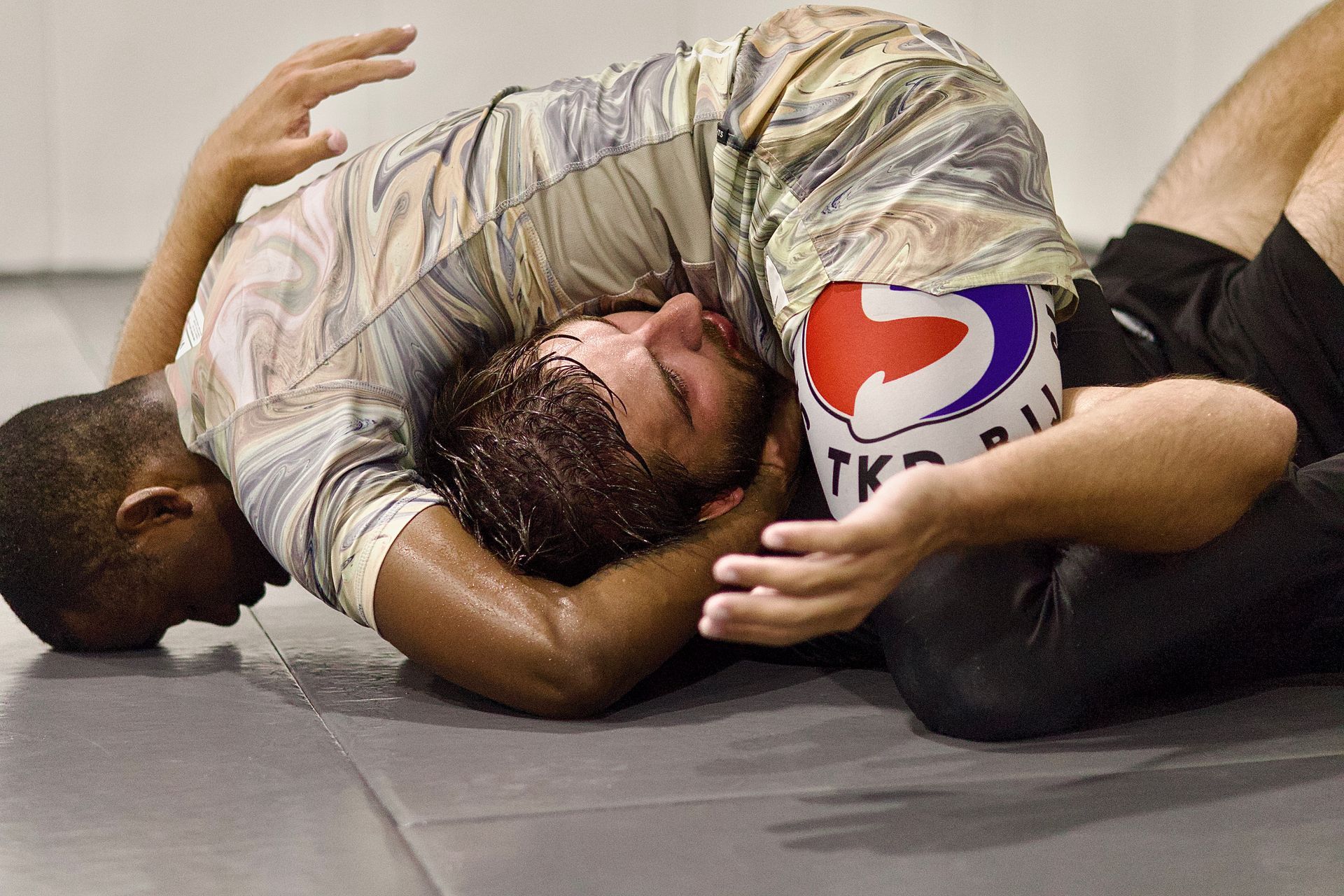
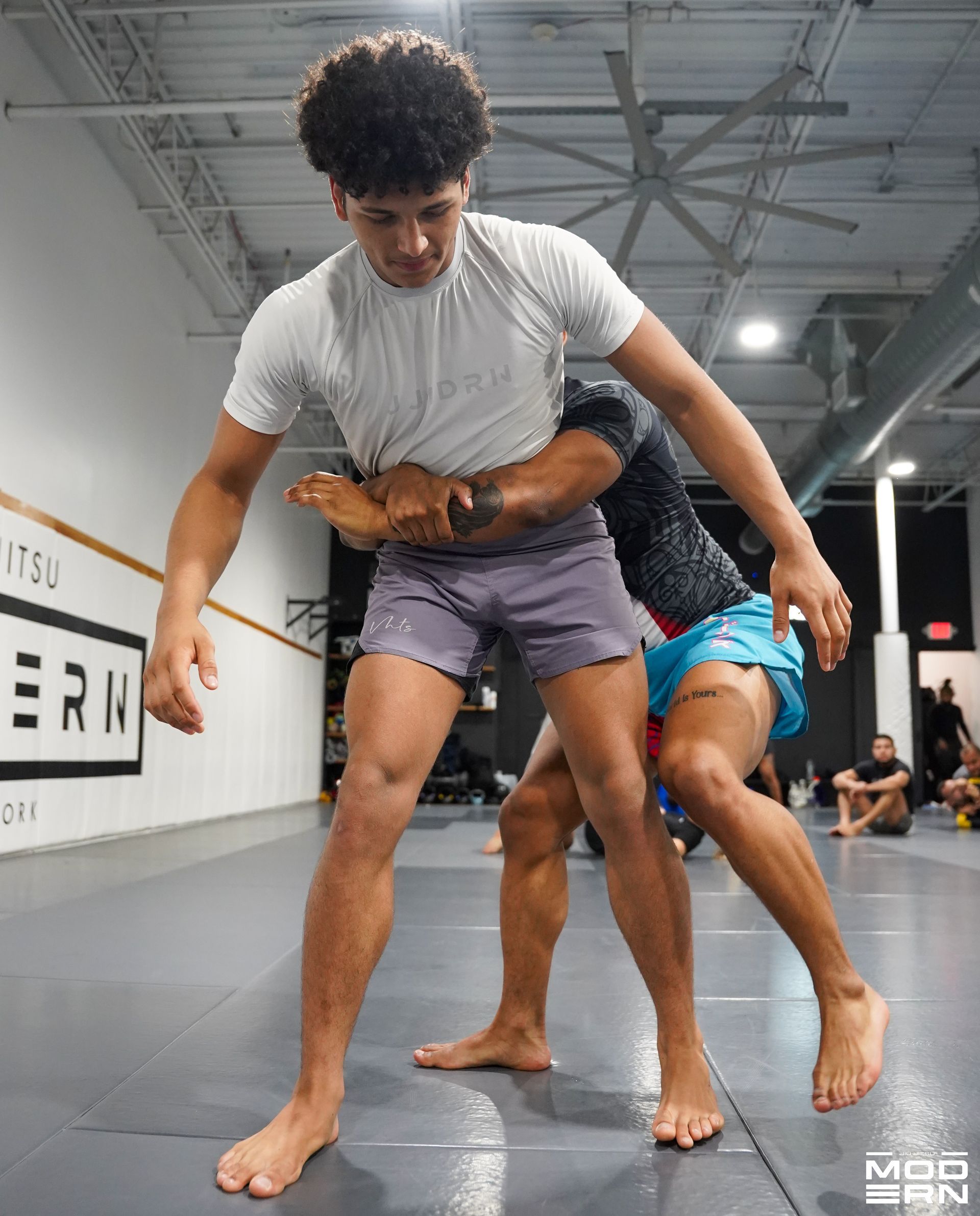
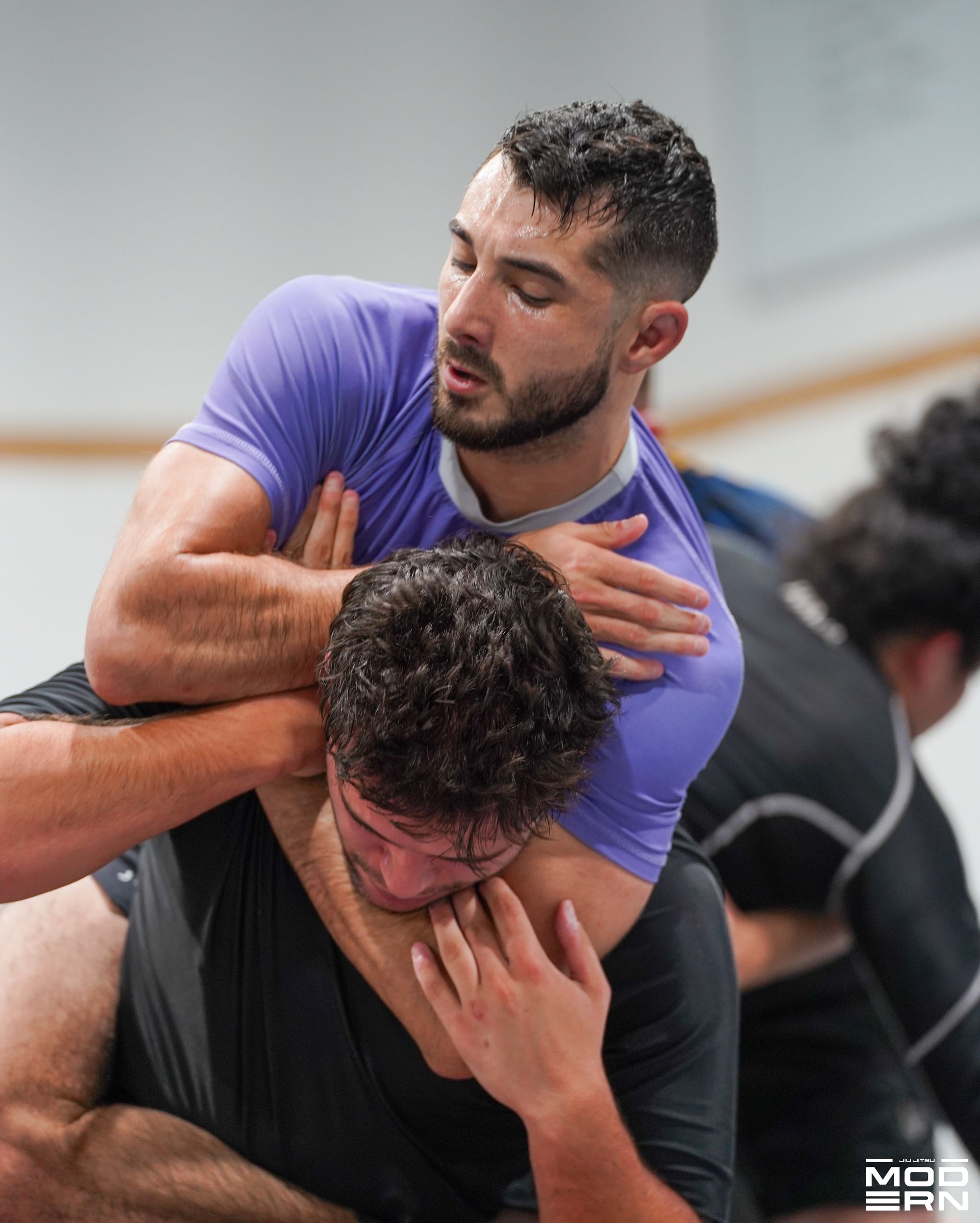
In 2025 and beyond, No-Gi is not a side option. It’s a major driver of how people learn because the pace is faster and transitions happen quickly. With rash guards and shorts, you spend less time stalling on grips and more time learning how to control space, angle, and timing.
That matters for fast-tracking Adult Brazilian Jiu-Jitsu because it forces sharper movement habits. You learn to connect your hands to your hips, to keep pressure without relying on fabric, and to recover position when things get slippery.
We coach both the technical and tactical differences so you understand what changes and what stays the same. Position still wins. Balance still wins. Breathing still wins. The details just show up sooner.
Leg locks in 2025 to 2026: learn them early, learn them responsibly
Leg locks have moved from “specialty knowledge” to standard curriculum across modern grappling. If you ignore them, you can feel behind quickly, especially if you have competition goals or you roll with people who follow current trends.
We teach leg lock mechanics with an emphasis on safety, control, and clear tapping rules. That means understanding breaking mechanics, but also understanding when to abandon a leg entry to avoid giving up position. The goal is skill, not chaos.
This is one of those areas where good coaching prevents bad habits. When you learn leg locks the right way, they become another part of your game, not a risky detour.
Hybrid learning: how to keep improving between classes
Adults learn faster when they can review. That’s just real life. You might hit a detail in class, then forget the grip sequence by Wednesday because your brain was also holding a grocery list and a work deadline.
Hybrid training helps solve that. We pair in-person training with online technique breakdowns so you can rewatch key concepts at home. Five minutes of review before class can turn a confusing position into something you can actually try in rolling.
Hybrid learning also supports consistency for suburban schedules. If you miss a day, you can still stay connected to the material, which keeps momentum intact. Momentum is underrated in Adult Brazilian Jiu-Jitsu, but it’s the difference between “I train sometimes” and “I’m improving.”
A simple weekly plan that makes adults improve faster
You do not need to train every day, but you do need structure. Here’s a straightforward framework we recommend for many adults training Brazilian Jiu-Jitsu in North Babylon who want steady progress without burning out:
1. Two to three classes per week focused on one primary theme (guard, escapes, passing, or submissions)
2. One Zone 2 session for endurance that supports longer rounds without exhausting you
3. Two short mobility blocks during the week using CARs-style joint rotations for shoulders, hips, and spine
4. One strength session centered on posture, pulling strength, and hip extension, kept simple and repeatable
5. One optional open mat or sparring session where you test only your current theme, not everything at once
This kind of week is realistic, and it compounds. The best plan is the one you can repeat for 12 weeks with minimal drama.
If you want to compete, keep the plan simple and specific
Competition can fast-track your learning because it forces clarity: what works, what fails, and what you avoid under pressure. We encourage a first competition approach that is simple, not complicated.
We like a basic game plan that you can actually execute: one takedown or pull, two sweeps, one guard pass, and two submissions you trust. We also recommend avoiding extreme weight cuts. Adults have jobs and responsibilities, and cutting hard usually harms performance and recovery.
Even if you never compete, training with that kind of clarity improves your rolling. You stop collecting moves and start building a system.
What you can expect when you start as an adult
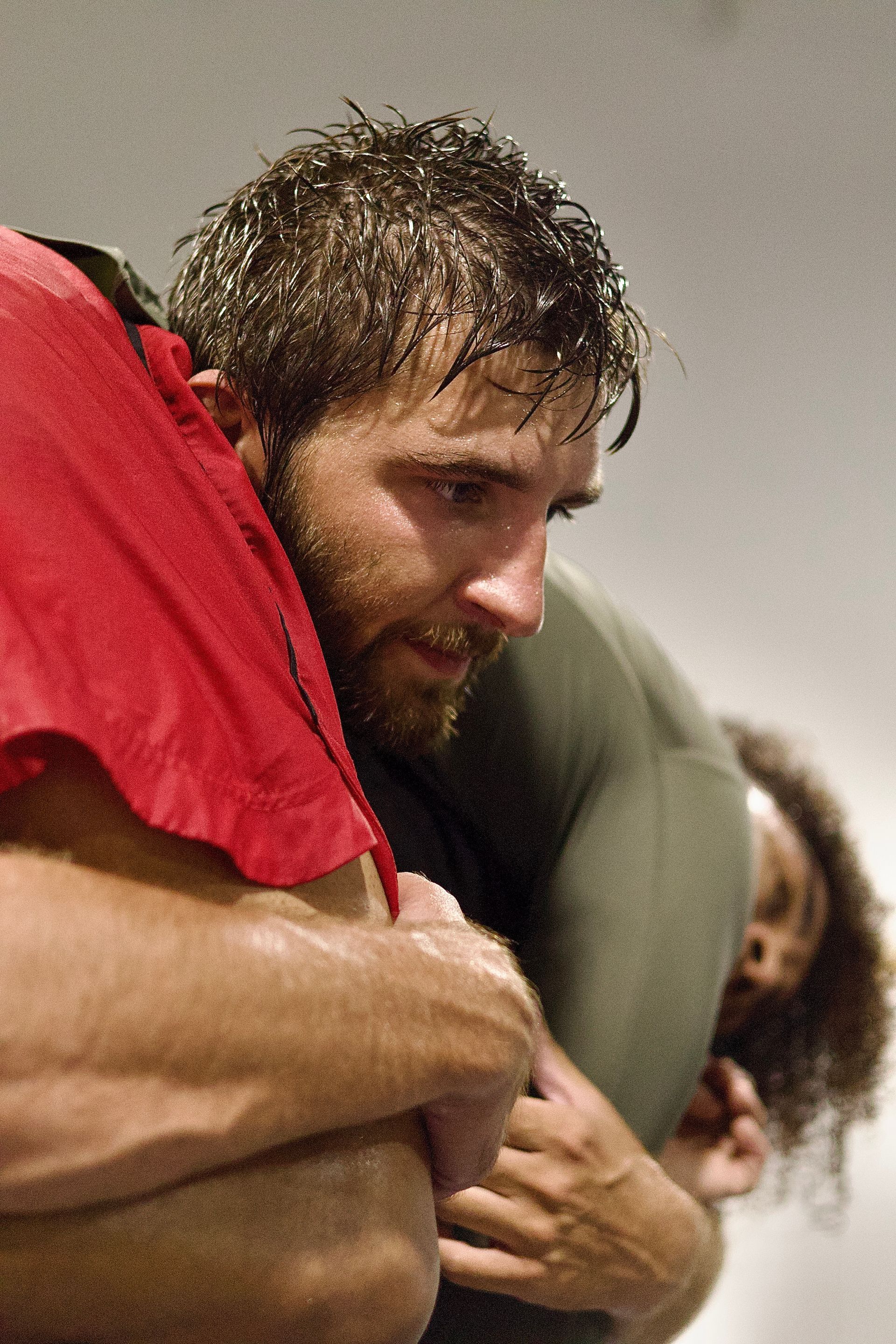
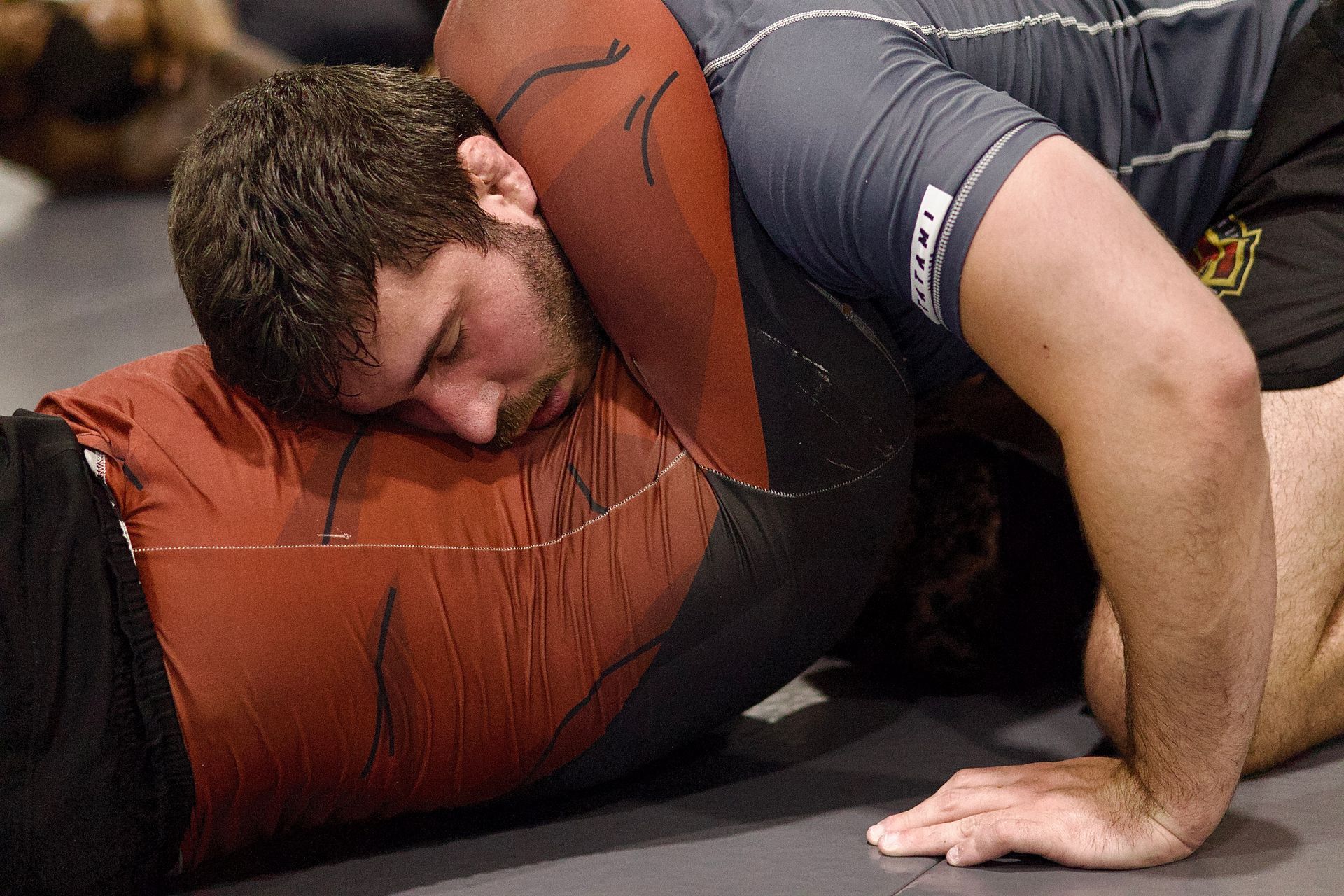
Starting Adult Brazilian Jiu-Jitsu can feel awkward for a few weeks, mostly because the movements are unfamiliar. You’ll be learning how to frame, shrimp, base, and breathe while someone applies pressure. That’s normal, and it’s part of what makes the art so effective.
We keep the room welcoming and structured. You’ll get partner work that reinforces fundamentals, and you’ll learn how to roll in a controlled way that builds skill rather than injuries. If you’re newer, we guide intensity and pairing so you can focus on mechanics.
You also do not need a closet full of gear on day one. Many adults begin No-Gi with simple rash guard and shorts, then add a gi later if they want it. The best gear is the gear that gets you onto the mat consistently.
Take the Next Step with Jiu-Jitsu Modern
Progress in Adult Brazilian Jiu-Jitsu comes from a few repeatable habits: consistent classes, a small game you can sharpen, mobility that protects your joints, and conditioning that matches grappling, not generic workouts. When those pieces are in place, your improvement stops feeling mysterious and starts feeling earned.
That’s exactly how we run our programs at Jiu-Jitsu Modern in North Babylon, NY. If you want to train hard, learn modern skills like No-Gi transitions and leg locks safely, and keep your body healthy enough to stay in the sport long-term, we’re ready when you are.
Continue your Brazilian Jiu-Jitsu journey beyond this article by joining a class at Jiu-Jitsu Modern.